I’ve been to probably thirty weddings over the past decade. Each one came with the same panicked question – what am I supposed to wear? The dress code says “cocktail attire” or “semi-formal” but what does that actually mean?
Wedding guest dress codes feel like a secret language nobody bothers to translate. You don’t want to show up underdressed like you didn’t care. But overdressing makes you look like you’re trying to upstage the bride. And breaking some unwritten rule gets you talked about for all the wrong reasons.
My worst moment was wearing a cream-colored dress to my cousin’s wedding. I thought it looked sophisticated and elegant. Turns out, anything remotely white-adjacent is apparently forbidden. My aunt gave me the coldest stare I’ve ever received. Nobody told me this rule existed until I’d already broken it.
After enough awkward experiences and whispered conversations, I finally figured out the actual rules for wedding guest dresses. Some are obvious once you know them. Others are weirdly specific and seem designed to trip people up.
The White Rule Is Actually More Complicated
Everyone knows you don’t wear white to weddings. Except the rule is actually broader and more confusing than that simple statement suggests.
White, ivory, cream, champagne, pale blush – basically anything that could be mistaken for a wedding dress color from across the room. I learned this the hard way with that cream dress that looked nothing like white in my closet but photographed way too close to bridal in wedding lighting.
Prints with white backgrounds can be problematic too. A floral dress that’s mostly white with some colored flowers still reads as white in photos. Even if the bride doesn’t care, someone’s aunt definitely will.
Cultural weddings sometimes have additional color rules. Some Indian weddings ask guests to avoid red because it’s traditionally the bride’s color. Chinese weddings might discourage red or white depending on regional customs. Always ask if you’re unsure about cultural expectations.
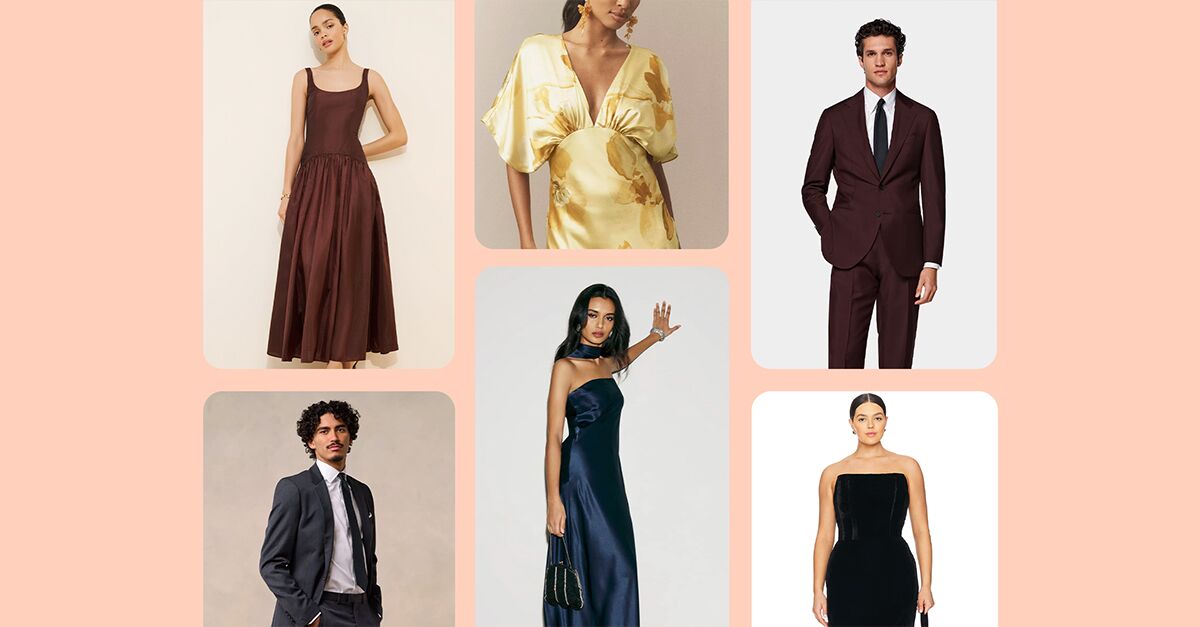
The safest approach is sticking with clearly identifiable colors – navy, emerald, burgundy, black in most cases. Colors that absolutely nobody could confuse with the bride’s dress.
Length Depends On Formality And Time
Dress length matters more than most people realize. The wrong length for the formality level makes you stand out uncomfortably.
Cocktail attire typically means knee-length or midi dresses. This hits that sweet spot between casual and formal. Works for afternoon or evening weddings. Safe choice when you’re uncertain about exact formality expectations.
Black tie or formal weddings call for floor-length gowns. Showing up to a black-tie wedding in a knee-length dress looks out of place. You’ll feel underdressed surrounded by long gowns and tuxedos.
Semi-formal or dressy casual weddings offer more flexibility. Midi or knee-length both work. You can go slightly shorter without looking inappropriate. Tea-length dresses hit perfectly for this category.
Beach or outdoor weddings usually mean shorter dresses are fine. Maxi dresses work too if they’re lightweight and casual-looking. Avoid anything that drags on sand or grass – you’ll spend the whole event holding your hem.
For helpful guidance on age-appropriate styles and lengths, resources like cocktail dresses offer solid starting points.
Fabric Choices Signal Formality
Nobody explicitly teaches you that fabric communicates formality level. But it does, and choosing wrong fabrics undermines your entire outfit.
Silk, satin, velvet, and lace read as formal. These fabrics belong at evening weddings, fancy venues, and black-tie events. They photograph beautifully and look intentionally dressy.
Cotton, linen, and jersey are casual fabrics. Perfect for daytime weddings, outdoor venues, or specifically casual dress codes. They’re also more forgiving in hot weather and less likely to wrinkle catastrophically.
Chiffon and organza occupy a middle ground. Dressy enough for most cocktail attire situations without being overly formal. These fabrics flow nicely and photograph well without looking like you’re trying too hard.
Sequins and metallics depend heavily on execution. A subtly beaded dress works for formal evening weddings. An all-over sequined mini dress might be too nightclub for most weddings. Read the room and consider venue formality.
Coverage Expectations Vary By Venue
Church weddings typically require more coverage than hotel ballroom receptions. Religious venues often have specific modesty expectations that feel outdated but are still enforced.
Bare shoulders might be discouraged in churches or temples. Bring a shawl, bolero, or jacket to cover up during the ceremony, then remove it for the reception. Keeps everyone happy without compromising your outfit choice.
Plunging necklines and super short hemlines work for nightclub weddings at trendy venues. Those same styles look inappropriate at garden party weddings or religious ceremonies. Match your coverage to the venue’s vibe.
Conservative family weddings call for more covered-up choices regardless of venue. If you know the family is traditional, err on the side of more fabric. You can always dress down a formal outfit with accessories, but you can’t add fabric to a revealing dress.
Accessories Make Or Break The Outfit
The dress is important, but accessories determine whether your outfit actually works or falls flat.
Shoes need to match the venue practically. Stilettos sink into grass at outdoor weddings. Bring backup flats or wedges if the ceremony is outside. Nothing ruins an outfit faster than hobbling around stuck in mud.
Jewelry should complement without overwhelming. Statement earrings or a statement necklace – pick one, not both. Formal weddings can handle more dramatic jewelry. Casual daytime weddings call for subtler pieces.
Bags should be small and unobtrusive. Clutches work perfectly for wedding receptions. Anything larger than a small crossbody looks too casual for formal weddings. Leave the tote bag at home.
Weather preparation saves outfits from disaster. Bring a wrap or jacket for air-conditioned venues or cool evening temperatures. Pack an umbrella if there’s any rain chance. Being prepared keeps you comfortable instead of miserable.
Evening Versus Daytime Weddings
Time of day dramatically affects appropriate dress choices. What works beautifully at 7 PM looks ridiculous at 11 AM.
Daytime weddings call for lighter colors, simpler styles, and less dramatic accessories. Think garden party – fresh, bright, and cheerful. Heavy makeup and dramatic jewelry look out of place in natural daylight.
Evening weddings allow darker colors, richer fabrics, and more glamorous styling. You can embrace metallics, sequins, and dramatic silhouettes without looking overdone. Evening lighting and formal venues support bolder choices.
Afternoon weddings that transition to evening receptions create challenges. Choose something that works for both lighting conditions. Jewel tones, navy, and burgundy transition beautifully from day to night.
Wrapping This Up
Wedding guest dress rules exist for good reason – they help guests avoid embarrassing mistakes while keeping the focus on the couple getting married.
The core principles are simple once you understand them. Avoid white and white-adjacent colors. Match formality to dress code and venue. Choose appropriate coverage for religious or conservative settings. Let accessories enhance rather than overwhelm.
When in doubt, ask the bride or someone in the wedding party. Better to confirm expectations than guess wrong and spend the whole event feeling uncomfortable. Most couples appreciate guests who care enough to ask rather than showing up inappropriately dressed.
Start shopping early so you have time to find something that actually fits these rules while looking good on you. Last-minute panic shopping leads to settling for dresses that don’t quite work.

Previous Article
How To Pick Minimalist Guest Wedding DressesNext Article
Best Footwear Choices With Guest Wedding Dresses