
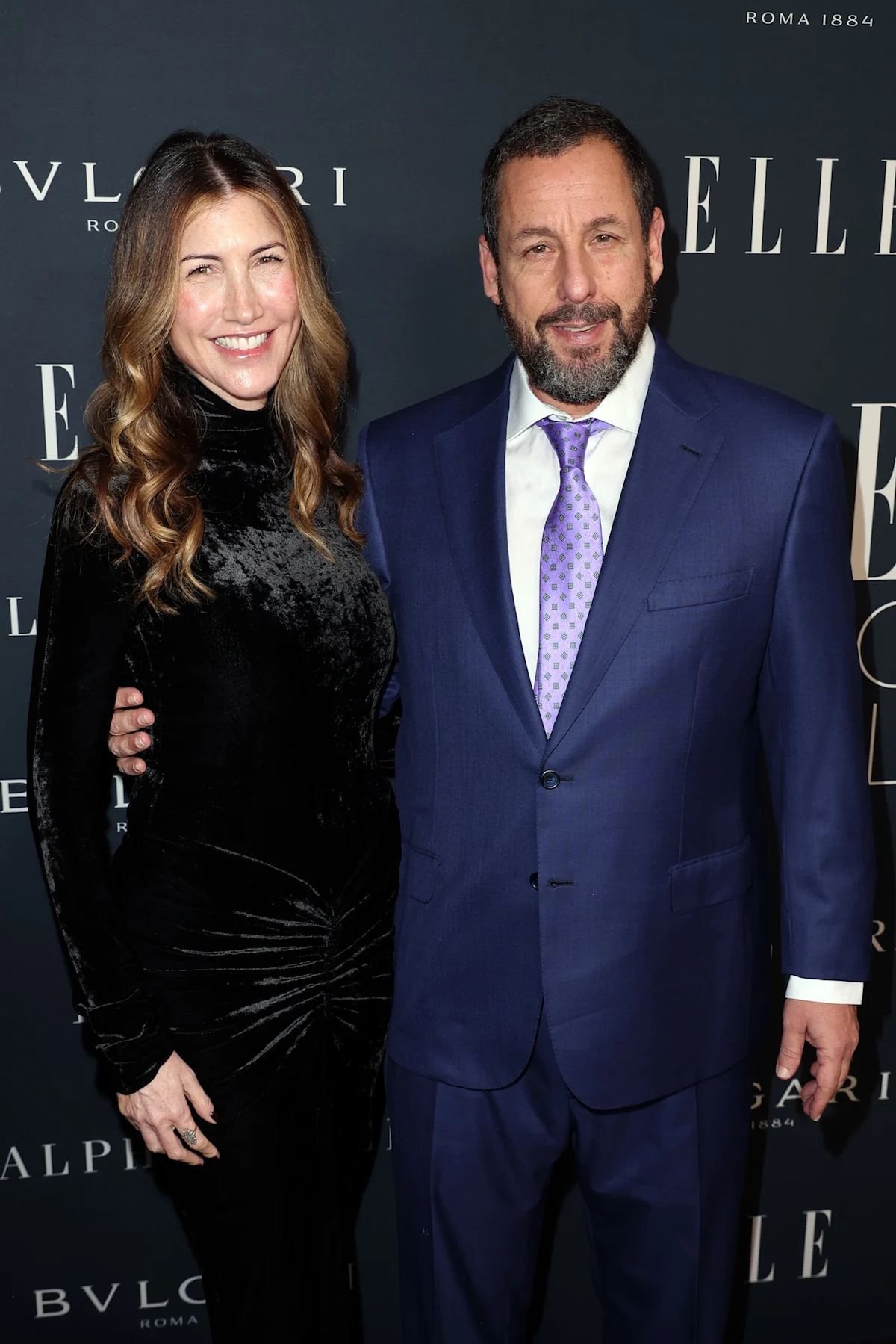
The enduring partnership between Adam Sandler and Jackie Sandler represents a case study in how personal relationships intersect with professional brand management in entertainment. Their connection, which began on a film set and evolved into both a marriage and a creative collaboration, illustrates how private life can become a strategic asset without sacrificing authenticity.
What makes this relationship particularly relevant from a media-narrative standpoint is the deliberate integration of family into Sandler’s content ecosystem. This isn’t accidental. It reflects a calculated decision to build a personal brand that aligns public perception with private reality, reducing the reputational risk that comes from maintaining separate personas.
The Signals Behind On-Set Chemistry And Career-Long Collaboration
Jackie Sandler, originally a model, met Adam during production of “Big Daddy” where she had a minor role as a sports bar waitress. The relationship progressed from that professional encounter to marriage within a few years. What’s strategically interesting here is how this personal connection translated into ongoing professional collaboration across dozens of film projects.
From a business standpoint, this arrangement creates multiple advantages. Production becomes more predictable when key relationships are stable, and the on-screen chemistry benefits from genuine rapport rather than manufactured connection.
How Family Integration Shapes Content Strategy And Audience Trust
The Sandlers’ approach to mixing family and filmmaking extends beyond Jackie’s frequent appearances in Adam’s productions. Their daughters have also been integrated into projects, creating a multi-generational brand presence that appeals to family-oriented audiences. This strategy reduces the gap between public image and private reality, which in turn minimizes the risk of reputation-damaging revelations.
Look, the bottom line is this: when your personal life aligns with your professional brand, you eliminate a major source of vulnerability. The Sandlers have built a production model where authenticity isn’t just a marketing term—it’s an operational framework.
The Reality Of Long-Term Partnership In High-Pressure Entertainment Contexts
Maintaining a relationship that spans more than two decades in the entertainment industry requires more than romantic sentiment. It demands practical alignment on career decisions, financial strategy, and public-facing narratives. Adam Sandler has publicly credited Jackie with influencing his career choices, including pushing him toward more challenging roles that expanded his range beyond comedy.
This kind of strategic partnership functions as a form of risk management. When personal relationships inform professional decisions, the result is often more sustainable than purely transactional career moves driven by external advisors.
Why Public Declarations Matter For Reputation Management And Brand Continuity
Sandler’s approach to publicly acknowledging his relationship differs from celebrities who maintain strict privacy boundaries. His social media presence includes anniversary posts and family references that reinforce the narrative of stability and authenticity. This isn’t just sentimental—it’s a deliberate positioning strategy that differentiates him in a market where personal scandals frequently derail careers.
The data tells us that audiences increasingly value perceived authenticity in public figures. By making his family life visible without exploiting it, Sandler occupies a middle ground that maximizes trust while maintaining appropriate boundaries.
The Business Logic Behind Collaborative Production Models And Relationship Equity
The Sandler production model demonstrates how personal relationships can become legitimate business assets when managed properly. Jackie’s roles in Adam’s films aren’t nepotism in the negative sense—they’re part of an integrated approach where personal trust enables creative risk-taking. This reduces transaction costs that arise when working with unfamiliar collaborators who may have competing agendas.
From a practical standpoint, relationship stability creates operational efficiency. When key team members have aligned incentives and genuine investment in outcomes, production quality tends to improve while conflict decreases. What I’ve learned is that the most successful creative partnerships aren’t purely professional—they’re built on genuine connection that translates into sustainable collaboration.

Previous Article
Best Footwear Choices With Guest Wedding DressesNext Article
Pete Wicks wife news