

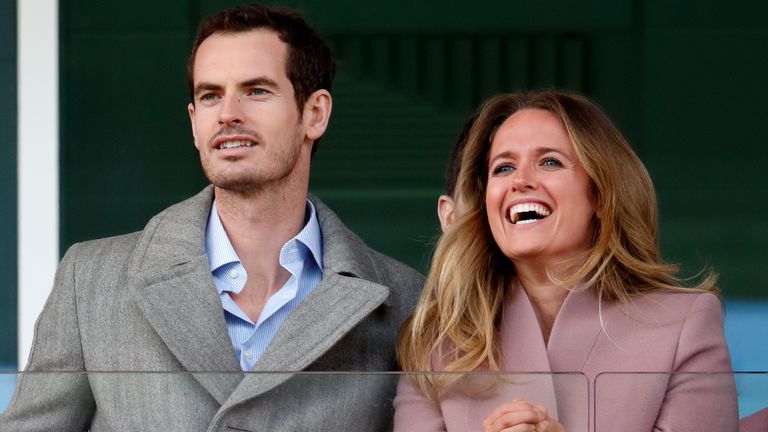
Tennis retirement brings new scrutiny to relationships that were previously background elements in an athletic narrative. Andy Murray wife news has shifted from courtside observations to questions about post-career identity, family dynamics, and what happens when the structure that defined a partnership for two decades suddenly disappears. This isn’t just personal transition; it’s a case study in how professional identity shapes domestic economics.
The attention pattern here is predictable. When an athlete competes, the partner exists as supporting character. When competition ends, media cycles look for new storylines, and private life becomes the default subject. Understanding this helps explain why retirement announcements trigger increased focus on marriages, not just careers.
The Context Of Meeting Young And Career Pressure Building Over Decades
Andy Murray and Kim Sears reportedly met at a party during the US Open when both were teenagers. The relationship remained private initially before Murray made it public after winning his first ATP title. They married and now have four children.
What matters here from a strategic perspective is that the relationship was established before peak career pressure arrived. That timing creates shared history through the hardest professional years rather than meeting someone after success is already achieved. It’s a different foundation entirely.
The practical reality is that professional athletes face unique relationship stress. Travel schedules, public performance evaluation, physical decline, and sudden career endings all create instability. Partnerships that survive those cycles do so because they were built with that stress already factored in. Murray’s relationship started during the climb, which means it was tested throughout rather than only at the end.
Reputation Management Through Family Privacy And Strategic Public Appearances
Murray has described himself in interviews as a “homebody” who prioritizes time with his family in Leatherhead. This positioning contrasts sharply with the public persona required during competitive years, when media access and sponsor obligations demanded constant visibility. The shift signals a deliberate rebranding from athlete to private citizen.
Look, from a brand economics standpoint, this is about transitioning from one value proposition to another. During competition, the family provided humanizing content that softened an intense professional image. Post-retirement, privacy becomes the product being protected rather than the image being sold.
The risk here is that media attention doesn’t respect retirement boundaries. Outlets that covered the athlete still want content, and when professional storylines end, they default to personal ones. The only defense is controlling access, which requires saying no to opportunities that would have been career-essential just months earlier. That’s a difficult adjustment.
The Narrative Cycle Around Athletic Retirement And Domestic Recalibration
Murray announced his retirement after the Paris Olympics, closing a career that defined him for decades. This kind of transition creates immediate questions about identity, purpose, and how couples navigate the loss of structure that organized their entire lives together. It’s not romantic; it’s logistical and psychological.
Here’s what I’ve seen play out repeatedly: the partner who wasn’t competing often carries invisible labor for years, managing logistics, children, and domestic stability while the athlete focuses narrowly on performance. When competition ends, that division of labor has to be renegotiated. It’s a business partnership restructure disguised as a life transition.
The data from similar situations suggests the first two years post-retirement are the highest risk period for relationship failure. The athlete loses daily purpose, the partner resents sudden presence in spaces they’ve managed alone, and both struggle to redefine what they’re building together. Managing that requires treating it like an organizational change, not just a personal one.
The Signals From Sibling Relationship Patterns And What They Reveal
Jamie Murray, Andy’s brother, recently divorced after fifteen years of marriage. While each relationship operates independently, family patterns often reflect shared experiences around the specific pressures of professional tennis life. The timing of one brother’s divorce alongside the other’s retirement creates narrative proximity that media coverage will inevitably connect.
From a reputational standpoint, this matters because audiences look for patterns. One divorce in a family doesn’t mean much; multiple relationship shifts happening simultaneously suggest systemic pressure rather than individual failure. That context can either protect or damage depending on how it’s framed.
The reality is that professional sports create family ecosystems where everyone’s life revolves around competition schedules. When that structure ends or breaks, the entire system has to rebuild. Jamie’s divorce and Andy’s retirement are separate events, but they’re both responding to the same underlying challenge: what happens when the thing that organized everything disappears.
The Economics Of Post-Career Identity And Partnership Reconfiguration Ahead
Andy Murray wife news will likely remain quiet unless the couple chooses to monetize their post-competition life through media projects, sponsorships, or public ventures. The default path is privacy, but the economic reality is that athletes often need post-career income streams, and family content is highly marketable.
The tradeoff is clear. Maintaining privacy protects the relationship from public scrutiny but limits revenue options. Engaging with media creates income but exposes the marriage to attention cycles that can amplify problems. Most retired athletes split the difference, doing selective appearances while keeping core family life off limits.
What actually works is treating the post-career phase like a business launch. The old model ended; now you build a new one. That requires strategy, not just hoping things work out. For Murray, that might mean coaching, commentary, or business ventures. For the marriage, it means redefining what they’re building together now that tennis is no longer the organizing principle.