
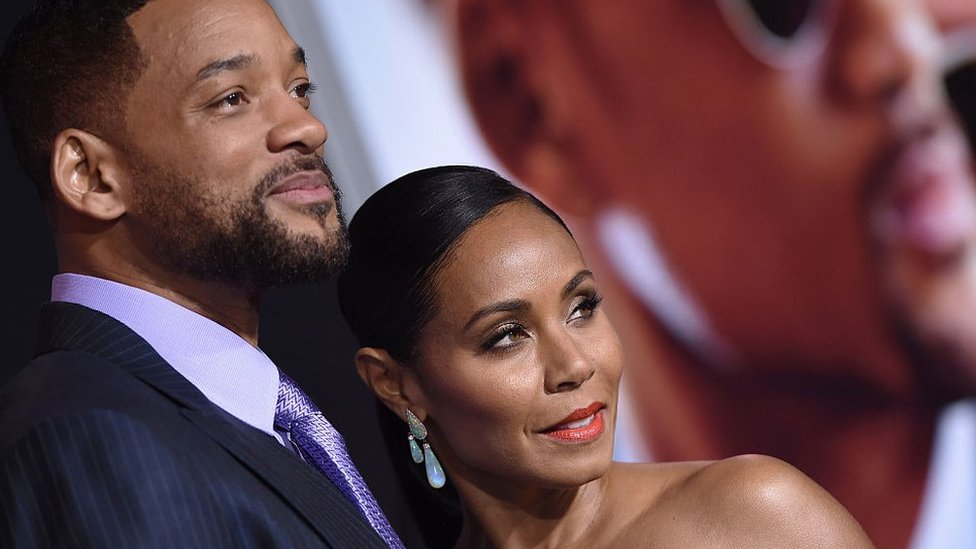
Will Smith and Jada Pinkett Smith’s marriage has evolved into one of entertainment’s most scrutinized relationships, not for scandal but for its unconventional structure that defies traditional categorization. The couple, married since the late 1990s but separated since 2016, continues maintaining legal marriage status while living separate lives in separate homes, creating an arrangement sources describe as “still together” despite the absence of conventional cohabitation.
This isn’t typical separation waiting to finalize into divorce. It’s a deliberate relationship architecture that challenges assumptions about what marriage must look like to remain valid.
Relationship Architecture And Why Conventional Models Don’t Apply
Sources close to the couple emphasize they’re “living their own lives but haven’t completely severed ties”. That phrasing matters. It’s not “working toward reconciliation” or “heading toward divorce.” It’s actively maintaining a middle state that most relationship frameworks don’t accommodate.
What I’ve learned is that public fascination with this arrangement stems partly from discomfort with ambiguity. Society prefers clear relationship status: together or apart, married or divorced, committed or done. The Smiths occupy none of those clean categories, instead creating custom infrastructure that serves their specific needs regardless of external comprehension.
The bottom line is they’ve been “figuring it out” for years while raising children and maintaining joint business ventures through their Westbrook entertainment company. That requires coordination and mutual respect that many conventional marriages lack, despite sharing the same address.
Public Perception Cycles When Privacy Meets Speculation
The couple has been spotted together occasionally, most recently at a Malibu restaurant after ten months without photographed joint appearances. Each sighting generates renewed speculation about reconciliation or definitive split, reflecting audience need for narrative resolution the couple refuses to provide.
Here’s the reality: they’re not obligated to clarify their arrangement for public consumption. The fact that sources repeatedly emphasize they “haven’t completely severed ties” suggests intentional ambiguity maintenance rather than indecision. That’s strategic privacy protection in an environment where definitive statements become permanent public record.
From a practical standpoint, refusing to categorize their relationship clearly prevents media from constructing definitive narratives that then must be defended or contradicted as circumstances evolve. Ambiguity provides flexibility that clear statements eliminate.
Business Partnership Strategy And Intertwined Professional Lives
Despite living separately, Will and Jada recently secured a first-look deal with Paramount through their joint Westbrook company. That signals continued professional integration regardless of personal living arrangements. The deal focuses on “global, four-quadrant theatrical movies” with franchise potential, suggesting long-term collaborative planning.
What actually works in this scenario is separating romantic partnership from business partnership and family partnership. Those can operate independently on different terms. Many assume marriage must encompass all three equally, but that’s cultural conditioning rather than functional necessity.
Will has been actively promoting new music, including releasing a Matrix-inspired video for “Beautiful Scars,” while sources describe him as “a bit disillusioned with Hollywood but that could all change with some new success”. That framing suggests career trajectory fluctuations affect his perspective on industry engagement independent of marriage status.
Private Living Arrangements And What Separation Actually Means
Jada resides in her own Calabasas home, not far from Will’s residence. They’ve maintained this arrangement for years while continuing to coordinate on parenting, business, and selective public appearances. This geographical proximity without cohabitation allows practical co-parenting while maintaining personal space boundaries.
Look, what I’ve seen repeatedly is that many couples would benefit from similar arrangements but lack either financial resources or willingness to challenge social expectations. The Smiths have both, allowing them to construct living situations optimized for their actual needs rather than appearances.
Reports suggest they’ve been doing “heavy-duty work together” to figure out what their relationship looks like going forward. That ongoing process language indicates they’re not stuck in indecision but actively negotiating terms of an unconventional arrangement that serves both parties better than traditional alternatives would.
Risk And Reward When Transparency Conflicts With Privacy
Jada’s memoir Worthy revealed the separation timeline publicly, acknowledging they’d been apart for seven years including the period surrounding the infamous Oscars incident. That disclosure shifted public understanding of events previously interpreted through assumptions about their marital status.
From a reputational standpoint, that transparency created both risk and opportunity. Risk because it invited intensified scrutiny and speculation. Opportunity because it allowed them to control narrative framing rather than letting media construct explanations from observed patterns.
Will resigned from the Academy and received a ten-year ban following the incident. The revelation that they were already separated when it occurred adds complexity to public interpretation of his actions and motivations. It doesn’t excuse behavior, but it contextualizes emotional state in ways audiences couldn’t previously understand.
Market Reality When Unconventional Arrangements Challenge Norms
The practical question becomes whether their arrangement represents dysfunction masking as innovation or genuine relationship evolution that works for their specific circumstances. Sources describing the marriage as “a sham” focus on conventional markers like cohabitation and romantic partnership. But those metrics only measure one relationship model.
What the data actually tells us is that relationship satisfaction correlates poorly with conventional structure adherence. Many traditionally structured marriages contain profound unhappiness. Some unconventional arrangements provide greater stability and satisfaction than conventional alternatives despite failing to match expected patterns.
The Smiths maintain they have “deep love for each other” while acknowledging they’re still determining what that looks like practically. That’s honest acknowledgment that love alone doesn’t dictate optimal living arrangements or relationship structure. For many, that honesty proves more valuable than maintaining facades that serve social expectations rather than actual wellbeing.

Previous Article
George Clooney wife Amal newsNext Article
Dwayne Johnson wife Lauren Hashian news