
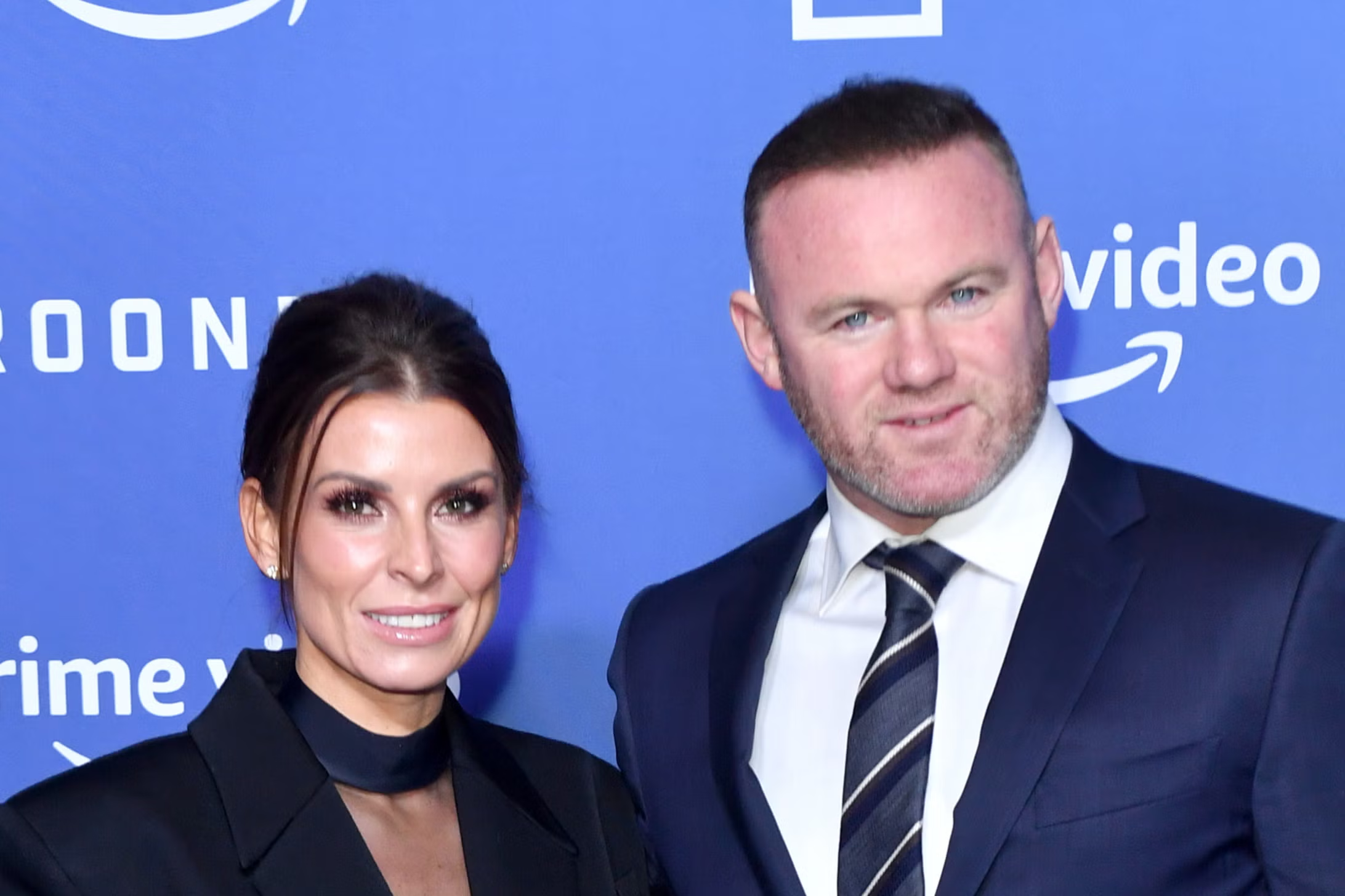
Coleen Rooney’s role in her husband’s survival through alcohol struggles reveals something beyond typical celebrity spouse narratives—she functioned as intervention system when professional structures failed to address escalating destructive patterns. Wayne Rooney credits her with keeping him alive through periods where his drinking could have ended his career and life.
This isn’t heartwarming celebrity marriage content. It’s documentation of how addiction functions in high-performance environments and what actual intervention requires when someone is simultaneously succeeding professionally and collapsing personally.
The Reality Of Addiction Cycles That Coexist With Elite Performance
Rooney described a pattern of drinking for two consecutive days, then returning to training and performing well, scoring goals before repeating the cycle. That functionality masked the severity of the problem from those around him.
He would use eye drops, chewing gum, and aftershave to hide the evidence of heavy drinking before training sessions. These weren’t occasional lapses but established routines that he maintained while achieving record-breaking performance as Manchester United and England’s all-time leading scorer.
What this reveals is how addiction operates in plain sight when the results keep coming. As long as goals were scored and games were won, the underlying destruction continued unchecked. Professional success provided cover for personal crisis.
Why Traditional Support Systems Failed And Family Intervention Succeeded
Rooney admitted he felt unable to reach out for help because he didn’t want to burden others with his problems. That isolation is common in addiction—the belief that asking for help shows weakness rather than strength.
Professional football environments prioritize performance over personal wellbeing in most cases. If someone is delivering results, questions about their methods or private struggles often go unasked. That culture enabled rather than addressed his drinking.
Coleen’s intervention worked because it came from someone with no professional stake in his performance and everything to lose if he continued. She wasn’t managing his career or his public image—she was managing whether he survived. That distinction mattered when nothing else did.
The Mechanics Of Long-Term Management After Crisis Recognition
Rooney states Coleen has kept him “on the path” for over twenty years, suggesting ongoing management rather than a single intervention. That timeframe indicates the problem existed throughout his playing career, not just during its final years.
He believes he would be dead without her support. That’s not hyperbole about relationship importance—it’s assessment of mortality risk from continued alcohol abuse without intervention.
Long-term addiction management requires sustained effort and accountability structures that don’t relent when things improve temporarily. Coleen provided that consistent presence through his playing career, his transition to management, and his post-football life.
How Public Mistakes Get Managed When Private Struggles Remain Hidden
Rooney acknowledges making “numerous mistakes” that were widely reported, referencing public scandals that damaged his reputation. Those incidents occurred against the backdrop of his alcohol struggles, though that context wasn’t understood at the time.
Public perception focused on individual lapses in judgment without awareness of the underlying addiction driving those decisions. That’s how addiction narratives typically unfold—consequences become visible long before causes are acknowledged or addressed.
Coleen remained through those public humiliations and private crises, a choice that looks different when understood through the lens of managing someone’s survival rather than simply forgiving mistakes. Her commitment carried reputational cost and emotional burden that extended far beyond typical relationship challenges.
Why Continued Marriage After Career Transition Carries Different Weight
The couple married and have four sons, maintaining family structure through his playing career, management roles, and current post-football phase. Their recent holiday posts show continued public presentation of family unity.
Rooney’s reflection on his fortieth birthday about Coleen’s role suggests growing awareness of how close he came to losing everything. That recognition often comes with distance from the crisis period and perspective that’s impossible during active addiction.
Her recent media presence following reality television success shows she’s building independent profile while maintaining the partnership. That balance—supporting him through crisis while developing her own public identity—required navigating impossibly complex dynamics over decades. The fact their marriage survived speaks to intervention capacity most celebrity relationships don’t possess or demonstrate when addiction creates similar challenges.

Previous Article
Prince Harry wife newsNext Article
David Tennant wife news