

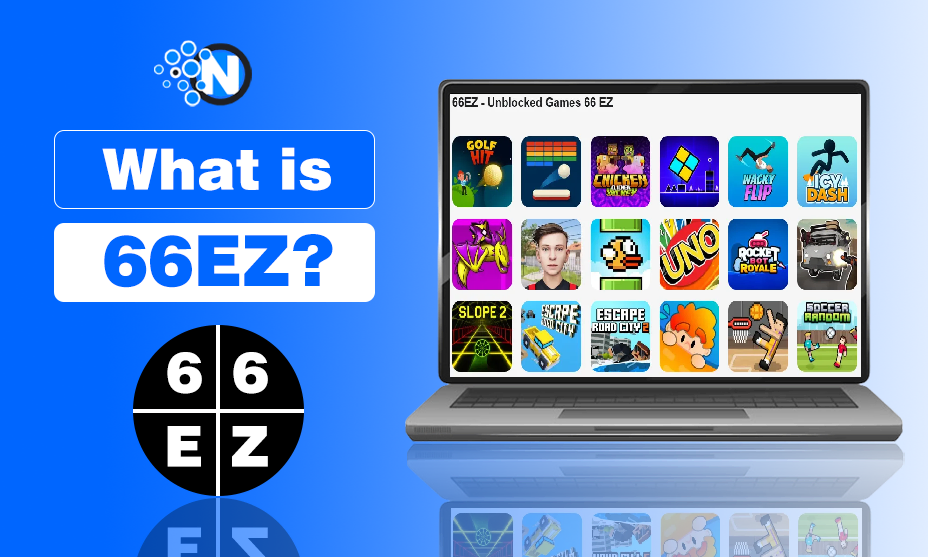
Recent domain shifts and scattered user reports have drawn fresh attention to 66EZ Games website safety and legitimacy, as players navigate a landscape of unblocked gaming sites prone to abrupt changes. Schools and workplaces continue to tighten network filters, pushing demand for accessible platforms like this one. Operators behind 66EZ Games emphasize browser-based play without downloads, yet questions persist around ad-driven risks and fleeting URLs. Public discussions highlight its appeal for quick sessions amid restricted access, but inconsistencies in site stability fuel ongoing scrutiny. This moment of renewed curiosity stems from recent mentions in gaming forums and security scans, where 66EZ Games website safety and legitimacy emerge as key concerns for casual users.
Platform Origins
Initial Launch Context
66EZ Games surfaced amid rising demand for unblocked entertainment in educational settings. Developers positioned it as a simple hub for browser titles, dodging common network blocks without software installs. Early access relied on lightweight coding to slip past filters at schools and offices.
Players noted immediate appeal in its no-signup model. Games loaded swiftly on Chromebooks, a staple in many classrooms. Yet foundational setup left room for ad integrations that later sparked debates.
Domain Evolution Patterns
The site has migrated across URLs like 66ez.cc and gitlab-hosted mirrors, adapting to blocks. Such shifts maintain availability but confuse verification efforts. Users bookmark variants to stay connected, though official anchors remain elusive.
These changes mirror tactics in unblocked niches, where persistence trumps permanence. No central registry tracks ownership, leaving legitimacy tied to uptime rather than formal claims.
Core Game Hosting Model
Titles run directly in browsers, pulling from public repositories. This avoids heavy servers but exposes reliance on third-party embeds. 66EZ Games curates action, puzzle, and racing options, prioritizing speed over depth.
Accessibility drives the setup—no accounts mean instant play. Drawbacks surface in variable load times during peak hours.
Target User Demographics
Students form the bulk, seeking breaks between classes. Office workers grab short diversions too, especially on filtered corporate nets. Cross-device support extends to mobiles, broadening reach.
Global usage spans regions with strict internet policies. Patterns show spikes during school terms.
Early User Adoption Signals
Word spread via forums and shares, bypassing traditional marketing. No app store presence kept it web-only, aligning with unblocked ethos. Initial feedback praised variety without barriers.
Growth tied to viral shares among peers, not paid promotion.
Security Features Examined
Browser-Based Risk Profile
No downloads cut malware entry points significantly. Games execute in sandboxes, limiting system access. Still, embedded scripts from hosts warrant caution.
HTTPS varies by domain variant—verified on main ones. This shields data in transit, though minimal info exchange occurs.
Ad Network Dependencies
Pop-ups fund operations, a staple for free sites. Some carry redirects to dubious offers. Ad-blockers mitigate most interruptions without crashing play.
Frequency rises on cloned domains, amplifying exposure.
Malware Scanning Practices
Operators claim routine checks on hosted content. No widespread infection reports tie directly to core 66EZ Games pages. Security tools like Sucuri flag outliers, often mirrors.
User endpoints bear responsibility—antivirus catches stray threats.
Privacy Policy Enforcement
Terms outline no data collection beyond analytics. No logins sidestep credential risks. Compliance appears basic, matching low-profile operations.
Third-Party Embed Safeguards
Games source from open libraries, vetted for basics. Updates patch exploits promptly in popular titles. Vulnerabilities linger in obscurities.
Legitimacy Indicators
Scam Detection Scores
Tools like Scamadviser rate related domains as low-risk, based on SSL and age. No mass fraud alerts surface for primary 66EZ Games site. High traffic without collapse bolsters case.
Scores fluctuate with domain hops.
Ownership Transparency Levels
No named entity claims control publicly. Anonymous hosting fits unblocked model, evading takedowns. Stability over years suggests sustained effort.
User Report Aggregates
Forums show satisfaction with access, few payout scams since none required. Complaints cluster on ads or downtime, not theft. Positive leans dominate casual threads.
Comparative Site Benchmarks
Peers like CrazyGames earn trust via established ops. 66EZ Games mirrors them in free access but lags in polish. Legitimacy holds via function over flair.
Legal Compliance Stance
Browser play skirts download laws. No monetized features dodge gambling regs. Network policy violations fall to users.
User Experiences Analyzed
Positive Access Stories
Players recount seamless school sessions, praising filter evasion. Mobile shifts work without hitches. Variety keeps returns frequent.
Frequent Complaint Themes
Ads overwhelm some, slowing loads. Domain hunts frustrate repeats. Rare crashes hit mid-game.
Performance Across Devices
Chromebooks shine; mobiles lag on data. Desktops handle loads best.
Support Interaction Records
No formal channels exist—forums fill gaps. Community tips resolve most issues.
Long-Term Retention Factors
Habit forms around convenience. Drops occur post-blocks.
Operational Vulnerabilities
Frequent Domain Migrations
Shifts respond to blocks, but notify none. Users scramble via searches.
Ad-Induced Disruptions
Pops lead to unintended sites. Blocks restore flow.
Network Block Evasions
Proxies enable reach, yet trigger scans. VPNs boost reliability.
Content Update Cadence
New titles appear weekly, refreshing appeal. Stales get culled.
Mirror Site Proliferation
Clones mimic but vary quality. Official verification lacks.
Risk Mitigation Tactics
VPN Pairing Strategies
Free tiers like Proton mask traffic effectively. Paid add speed.
Browser Extension Choices
Ad-blockers like uBlock cut nuisances. Script blockers add layers.
Antivirus Pairings Recommended
Real-time scans catch embeds. Scheduled sweeps maintain clean.
Safe Browsing Habits
Avoid clicks in ads. Clear cache post-sessions.
Proxy Alternatives Explored
Google Translate proxies occasional access.
Comparative Analysis
Peer Platform Matchups
| Aspect | 66EZ Games | CrazyGames | Poki |
|---|---|---|---|
| Access Ease | High (unblocked focus) | Medium | High |
| Ad Density | Elevated | Low | Moderate |
| Game Variety | Broad casual | Polished | Kid-friendly |
| Stability | Variable domains | Consistent | Reliable |
| Safety Reports | Minimal direct | Clean | Strong |
Strengths Relative to Rivals
Unblocked edge wins in restrictions. No-frills speed appeals.
Weaknesses Highlighted
Ad reliance trails ad-light competitors.
User Migration Patterns
Switches happen post-blocks; returns follow unlocks.
Hybrid Usage Observed
Pairs with apps for fuller libraries.
Future Outlook Considerations
The public record on 66EZ Games website safety and legitimacy reveals a functional platform sustained by adaptability, not institutional backing. Core operations deliver promised access without overt harms, backed by absence of systemic scams or breaches. Yet ad exposures and domain flux introduce avoidable uncertainties, unresolved by operator transparency. Users weigh convenience against vigilance, a balance tilting toward caution in shared networks.
Broader unblocked trends point to tighter filters ahead, pressuring sites like this. Emerging regs on ads or embeds could reshape viability. No signs indicate imminent shutdowns, but reliance on mirrors signals fragility. Players face choices: embrace proxies and blockers, or shift to vetted hubs. What persists unclear—whether 66EZ Games solidifies a stable identity or fades into variant obscurity. Ongoing network evolutions will test its place, leaving safety as much user-managed as site-provided.