

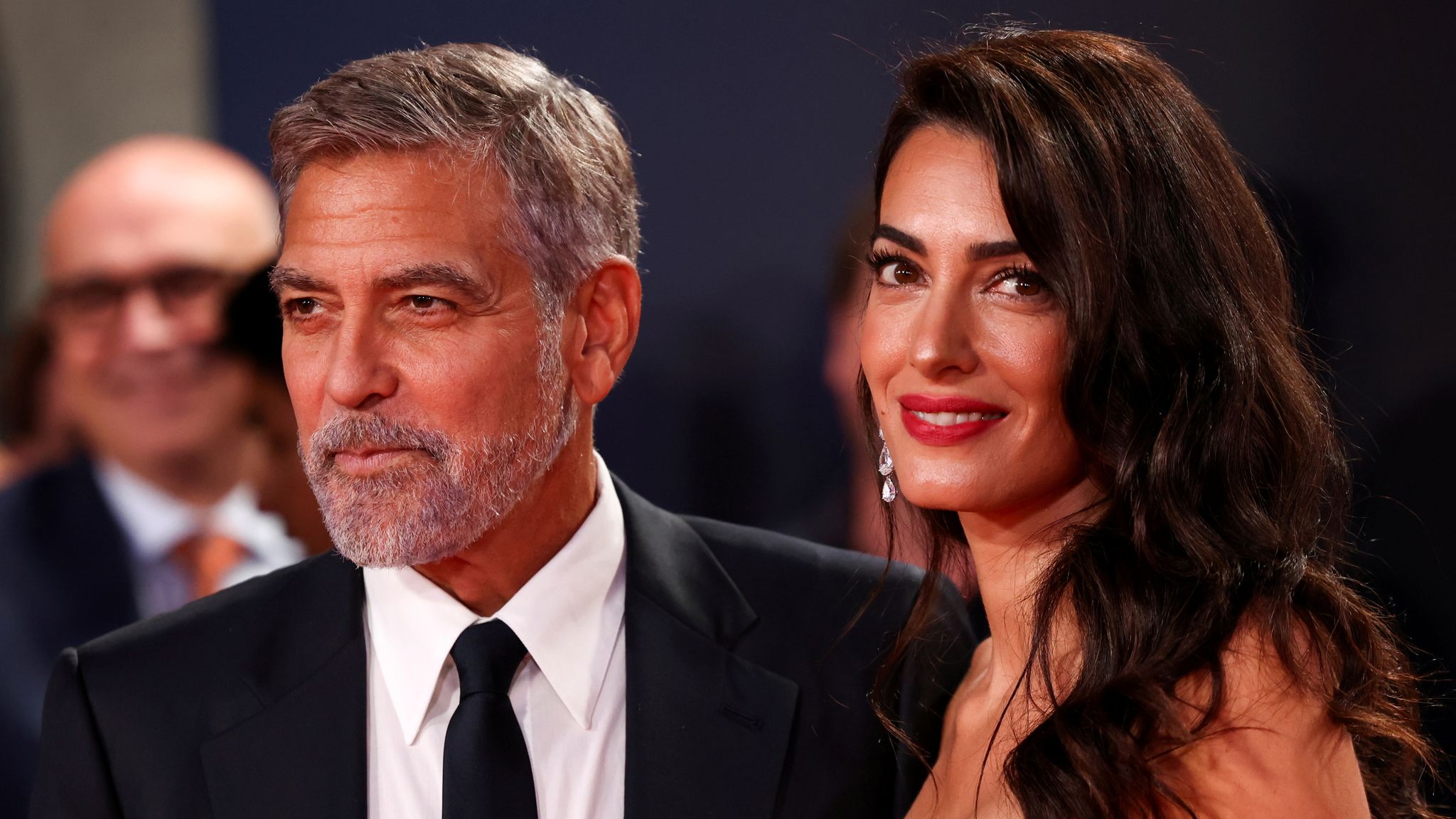
George and Amal Clooney’s marriage has recently faced renewed scrutiny following reports of tension stemming from lifestyle choices and behavioral patterns that Amal reportedly views as threatening their long-term stability. The couple, widely regarded as one of Hollywood’s most polished partnerships, now faces questions about whether carefully cultivated public images can sustain private pressures when old habits resurface.
This story matters beyond celebrity gossip. It illustrates how behavioral patterns, once addressed and apparently resolved, can destabilize even the most established relationships when they reemerge unexpectedly.
Behavioral Pattern Risks And What Relapse Signals Mean
George reportedly ended an evening at the Tony Awards “like a high school drunk,” according to his own admission in Esquire magazine. That self-deprecating framing might play as humorous publicly, but sources indicate Amal views it as a “slippery slope” back into problematic habits.
Here’s the reality: when someone works hard to eliminate a behavior and then treats its reappearance casually, it signals either lack of awareness about the behavior’s impact or diminished concern about consequences. Neither interpretation builds confidence in sustained change.
What I’ve learned is that partners who sacrifice to support behavioral modification often feel dismissed when the person who made the change treats backsliding as trivial. The work invested in supporting that change gets retroactively devalued, creating resentment that compounds beyond the specific incident.
Timing And Context When Stability Becomes The Priority
The couple recently relocated focus to their Provence home, valued at $8.3 million, explicitly framing it as prioritizing family and stability away from Hollywood’s intensity. That makes the timing of George’s “boozy relapse” particularly problematic from a narrative coherence standpoint.
When you publicly commit to lifestyle recalibration centered on stability for your eight-year-old twins, then immediately undermine that messaging through behavior that contradicts it, you create credibility gaps that affect trust more than the specific behavior itself.
Look, the bottom line is this: Amal is a respected international human rights attorney managing high-stakes professional responsibilities while raising young children. She’s operating in environments where precision, consistency, and reliability aren’t optional. Applying those same standards to personal life isn’t unreasonable.
Public Image Strategy When Private Tensions Surface
The couple appeared together at the Tony Awards looking polished and synchronized, presenting the carefully maintained image they’ve cultivated throughout their marriage. That makes subsequent revelations about that same evening ending problematically create a dissonance between public presentation and private reality.
From a practical standpoint, celebrities constantly navigate that gap between public image and private experience. What matters is whether the gap becomes so wide that maintaining the facade requires exhausting effort, or whether private behavior starts contradicting stated public values obviously enough that audiences notice.
Sources describe George as “sheepish” following the incident but suggest he’s using humor to “gloss over things he shouldn’t”. That’s a common deflection tactic, but it rarely works long-term with partners who view the underlying issue seriously. Humor can defuse immediate tension, but it doesn’t address root concerns or demonstrate behavior change commitment.
Marriage Stability Pressure And Non-Negotiable Boundaries
Amal has reportedly delivered clear warnings that continued drinking habits could “destroy their relationship” and “risk everything” they’ve built. That’s boundary-setting language, not casual concern. It establishes consequences for continued behavioral patterns rather than vague disappointment about isolated incidents.
What actually works in these situations is treating stated boundaries seriously. When a partner articulates clear thresholds, responding with jokes or dismissal typically accelerates conflict rather than resolving it. The data on long-term relationship stability consistently shows that respect for stated boundaries predicts success better than almost any other factor.
Associates close to George believe he’s not “taking it seriously enough,” despite assurances the incident was a “one-off”. That perception gap between how seriously he treats it versus how seriously she views it creates the actual instability, regardless of whether drinking continues or not. Misaligned threat assessment destabilizes relationships independent of the threat itself.
Reputational Management When Past Patterns Reemerge
George had previously given up drinking and publicly acknowledged feeling better and improving their relationship through that change. That history makes current incidents more concerning rather than less. It demonstrates awareness of the problem, commitment to solving it, and then apparent regression despite that knowledge.
From a risk management perspective, regression after demonstrated capability for change signals either insufficient motivation to maintain the change or inadequate coping mechanisms when facing whatever triggers prompted the original behavior. Neither explanation provides reassurance about long-term stability.
Here’s what I’ve seen: when someone successfully modifies behavior for an extended period, then reverts, partners often experience that regression as betrayal rather than slip-up. The emotional investment in supporting the change, the relief when it succeeded, and the trust that it represented permanent growth all get challenged simultaneously. That creates relationship damage disproportionate to the specific incident.
The couple married in a highly publicized ceremony and have maintained a reputation for stability uncommon in Hollywood relationships. That reputation now faces testing against private behavioral patterns that sources suggest may continue undermining the carefully constructed public image unless George treats Amal’s concerns with the seriousness she’s requesting rather than the casual dismissiveness he’s reportedly demonstrated so far.