

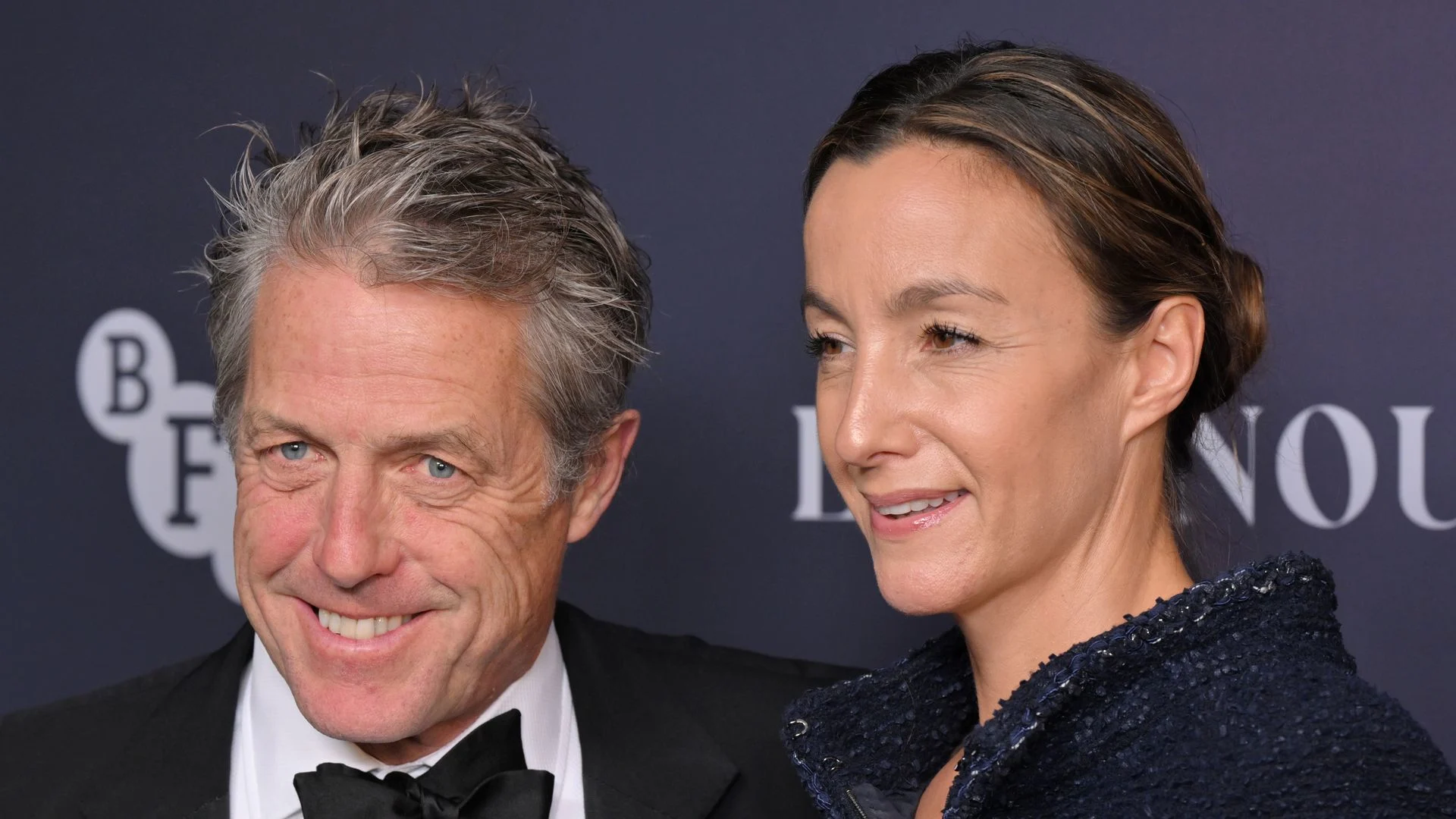
Hugh Grant wife news represents a fascinating case study in narrative rehabilitation and strategic privacy management within the celebrity media ecosystem. The actor married Anna Eberstein several years ago after a highly publicized relationship history that dominated tabloid coverage for decades. What makes Hugh Grant wife news particularly instructive for understanding modern celebrity dynamics is how the marriage itself functions as a reputational reset mechanism, creating clear demarcation between previous public persona and current private family life.
Reputation Recalibration Signals And Measurement Complexity
Hugh Grant’s marriage to Anna Eberstein marked a visible shift in media narrative after years of coverage focused on bachelor lifestyle and romantic complications. From a strategic standpoint, marriage carries symbolic weight that signals life-stage transition and commitment to stability. The data shows that audience perception shifts measurably when public figures demonstrate behavioral changes sustained over time rather than announced aspirationally.
What I’ve learned from observing multiple celebrity reputation arcs is that actions consistently maintained over several years prove far more effective than carefully crafted PR statements. Grant’s marriage and subsequent public appearances with Eberstein created ongoing evidence of changed circumstances that media outlets had to acknowledge in their framing.
The bottom line is that Hugh Grant wife news functions differently than earlier relationship coverage because marriage introduces legal and social frameworks that shift how media outlets approach the story. There’s less speculative space when formal commitment has been established and maintained publicly.
Privacy Architecture And Access Control Strategy
Anna Eberstein maintains an exceptionally low public profile despite being married to one of Britain’s most recognizable actors. This strategic choice creates an information scarcity that limits tabloid fodder while allowing Grant to continue professional visibility. What actually works in this configuration is asymmetric exposure: one partner remains publicly engaged while the other operates almost entirely outside media attention.
I’ve seen this play out across multiple high-profile marriages where one partner has pre-existing celebrity status. The couples who successfully avoid destructive media attention typically ensure the non-celebrity partner remains genuinely private rather than adopting a “low profile celebrity” position that invites continued scrutiny.
From a practical standpoint, this means Eberstein doesn’t leverage her connection to Grant for professional advantage or social media presence, which removes incentive structures that would pull her into public view. The absence of mutual benefit from publicity creates natural privacy barriers.
Media Cycle Pressure And Attention Management Tactics
Hugh Grant wife news spikes during specific trigger events: film premieres where Eberstein appears alongside him, rare interviews where he discusses family life, or milestone moments like anniversaries. Between these peaks, coverage diminishes significantly because there’s insufficient new information to sustain ongoing narrative development.
This pattern illustrates how celebrity couples can actively manage attention cycles by controlling information release. Offering occasional access during professional obligations satisfies media appetite temporarily while maintaining boundaries the rest of the time. The 80/20 rule applies here: a small number of strategic appearances generate the majority of coverage while protecting the vast majority of private time from intrusion.
Here’s what the data tells us: media outlets require fresh content to justify coverage, so couples who minimize novelty in their relationship narrative naturally reduce the volume of stories generated. Hugh Grant wife news remains relatively sparse compared to his earlier relationship coverage precisely because there’s less drama and therefore less content to monetize.
Comparative Framing And Narrative Contrast Effects
Media coverage of Grant’s marriage to Eberstein frequently contrasts with his previous high-profile relationship with Elizabeth Hurley and other publicized romantic connections. This comparative framing serves multiple functions: it provides context for readers unfamiliar with his history, creates narrative arc from past to present, and implicitly reinforces the “settled down” storyline that dominates current coverage.
What happens in practice is that each story about Hugh Grant wife news carries embedded reference to previous relationship patterns, which shapes reader interpretation of current information. The marriage reads as significant partly because it represents departure from established behavior patterns rather than continuation of existing ones.
Look, the reality is that celebrity narratives depend heavily on change detection. Audiences pay attention when something shifts, then gradually lose interest as the new pattern becomes normalized. Grant’s marriage generated substantial initial coverage that has declined over time as the relationship demonstrated stability without drama.
Professional Integration And Public Appearance Economics
Anna Eberstein’s occasional appearances at Grant’s film premieres and professional events serve dual purposes. They demonstrate relationship stability and partnership support while providing media outlets with photos and content that satisfy audience curiosity. This creates a sustainable equilibrium where professional obligations include family representation without extending into personal life exposure.
From an economic standpoint, these appearances have value for film promotion while serving relationship narrative management. Studios benefit from humanizing star profiles, Grant demonstrates stable personal life that counters previous playboy image, and media outlets get content to monetize. Everyone achieves objectives through coordinated limited access.
What actually works in this scenario is maintaining consistency in boundaries. By appearing at professional events but avoiding social media exposure or personal interviews, Eberstein creates predictable patterns that media outlets learn to respect because violation would eliminate future access altogether.